Category: General Category

  • Machine Spotlight: An Overview Of Euromac CX1000-30 Turret Punching Machine

    Machine Spotlight: An Overview Of Euromac CX1000-30 Turret Punching Machine

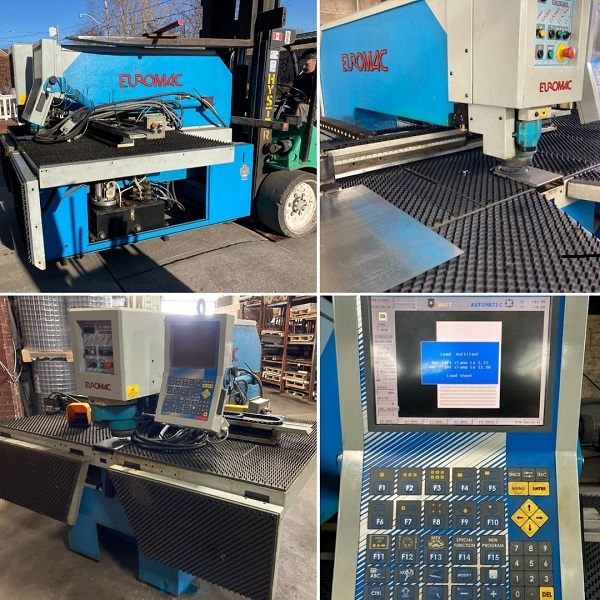
    Ferrier Wire + Design Metals believes that investing in new machinery is an important part of improving and growing our business for both industrial and architectural products. The latest addition to our facility is the Euromac CX1000-30 turret punching machine.

    It was recently transported to our premises by Kenco Machinery Movers & Millwrights Ltd. Here’s the first look of our Euromac CX1000-30.
    What is a turret punching machine?

    A turret punching machine is a piece of metal working equipment, often equipped with CNC features that are used to punch and create perforated patterns with the help of different punches on a variety of sheets and metal surfaces.

    How does a turret punching machine operate?

    The operating principle of a turret punching machine involves punching or perforating a metal sheet with a die at the other end. The punch, which is also referred to as a tool, pushes the metal into the die, creating the hole of the desired shape and dimensions. The CNC system facilitates automation of the process, wherein the metal sheet can be moved along one or multiple axes to create a perforation at the right spot.

    Thus, the turret punching machine is meant for mass-producing patterns on a metal sheet with uniform accuracy and speed. The Euromac CX1000-30 in particular comes with 6 sets of punch and die sets, allowing us to create 6 varieties of holes during a single operation. Moreover, to change the sheet’s orientation along an axis, the punching machine is equipped with a mechanical arm.

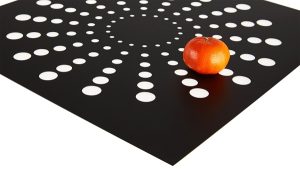
    Here are some die patterns offered by Euromac CX1000-30:
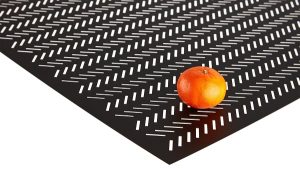


    Herringbone: Two columns of inclined parallel lines that face away from each other.

    Concentric Circles: Series of perforated circles with a common center.

    Obround: A rectangle in the middle with two semicircles on each end.

    .500″ Square: Square with a side of 0.5 inches.

    Please contact us to know more about the capabilities of our Turret Punching Machine and the perforated design patterns that it can produce.

  • Ferrier Wire + Design Metals: Victoria Day Hours 2022

    Ferrier Wire + Design Metals: Victoria Day Hours 2022

    Ferrier Wire + Design Metals would like to inform our valued customers about the modified working hours during the Victoria Day Long Weekend 2022. We will be closed on the following days:
    CLOSED FRIDAY MAY 20TH
    CLOSED MONDAY MAY 23RD

    We would be open for business on Tuesday, May 24th 2022 at 8 am EST.
    We would like to extend our hearty wishes for a safe and wonderful Victoria Day celebration!

  • 4 Unique Applications of Chicken Wire

    4 Unique Applications of Chicken Wire

    An inexpensive and reliable solution for fencing off chicken and other poultry, chicken wire is an integral part of most farms. Made of light, flexible, yet strong galvanized steel, it is made by welding or weaving this wire into hexagonal patterns. Available in various gauges, chicken wire gained its name primarily due to its use in poultry farming. However, there are several other uses for the product, especially in landscaping which was discussed in a blog before. Now, here are 4 more unique uses of chicken wire that further showcase its versatility.

    Uses of chicken wire

    Creating Mini Cloches

    Growing plants, especially in harsh weather conditions can be a challenge. For this purpose, cloches are used. However, conventional cloches require a lot of skill and might not be a good fit for a small garden. Instead, using chicken wire in tandem with frost cloth can create excellent mini cloches that can protect tender plants during winter.

    Vertical Gardening

    Certain plants like peas, tomatoes, ivy and beans require a support structure for them to climb. To offer support and simultaneously improve the aesthetic value of the garden, one can use chicken wire for vertical gardening. Simply make a trellis by first acquiring a rectangular frame and stringing the chicken wire over it.

    Lighting

    Industrial-style architecture and lighting are quite popular across many commercial establishments these days. When it comes to lighting, chicken wire is a great option to create a fashionable lamp shade. When combined with an old-fashioned bulb, it can create the desired ambient effect at the fraction of the cost of purchasing a conventional lampshade.

    Paper Mache Support

    Paper mache is used for a plethora of reasons and these projects require a base frame so that they can get the desired shape. Chicken wire is also an excellent choice for this purpose due to its superior flexibility. Thus, it can be fashioned into a frame for a paper mache, or it can be used as an artistic sculpture itself.

    Apart from chicken wire, Ferrier Wire and Design Metals also manufacture brass mesh, copper mesh, stainless steel mesh, and more. Contact us to place your order today.

  • 4 Common Applications of Brass Wire Mesh

    4 Common Applications of Brass Wire Mesh

    Wire meshes are an integral part of many industrial and domestic applications. Made by a tight-knit group of many wires in a grid-like pattern, they can be made of many different materials such as bronze mesh, copper mesh, steel mesh, aluminum mesh, and more. One such creation is the brass mesh, which is made of 70 percent copper and 30 percent zinc. Highly durable and versatile, they also showcase wonderful anti-corrosion properties. Due to this, it finds an application in many different fields. 4 such uses will be discussed down below.

    4 uses of the brass mesh.

    Aesthetic Purposes

    Due to its mild golden sheen, a brass mesh is perfect for aesthetic repurposing. Often used in homes and other commercial establishments, they can be fashioned into facades of a cabinet, used as decorative signage or lampshade, or one can even create unique sculptures with them.

    Architectural Purposes

    In construction, a brass mesh can be used in roof panelling, interior wall panelling, or even as a fireplace screen, as they can withstand high temperatures. Their robust yet ductile nature also makes them a great candidate to be used as air vents within a property.

    Industrial Purposes

    Due to the high tensile strength, non-reactive nature with respect to chemicals, and high resistance to heat, they are used extensively in the industrial sector for a plethora of purposes. Some of the most common applications of brass mesh include filters, separators, and even chemical reactions. On the more mechanical side of things, they are also used in aerospace and marine sectors.

    Miscellaneous Uses

    This material is also used in certain miscellaneous applications which may not fit in the above categories such as gutter guards, insulators for electrical wiring, plumbing screens, and even radio frequency amplification.

    Thus, brass mesh remains one of the more versatile materials that is used in multiple applications.

  • 4 Unique Uses of Aluminum Mesh In The Aerospace Sector

    4 Unique Uses of Aluminum Mesh In The Aerospace Sector

    The aluminum mesh is a versatile wire mesh product that is used in several industries. From construction and pest control to home projects, the material finds its use due to its lightweight and non-corrosive nature. Made by either welding or weaving aluminum wires together in a grid-like pattern, the wire mesh also has a few unique applications in the aerospace sector. Here, 4 such uses will be addressed below.

    4 Uses of Aluminum Wire Wesh.

    Reduction of Noise

    Airplanes are known for their power, along with which comes excess noise pollution. Consequently, there are stringent norms in place to control the noise emanating from a commercial plane. In order to meet these standards, most aircraft use an aluminum wire mesh to cover the nacelle portion, which predominantly houses the engines, fuel and other equipment. The mesh then redirects the noise within the aircraft and muffles the sound in the process.

    Protecting Jet Engine From Contamination

    As an aircraft flies through the air at dizzying speeds, there is a probability of accumulating dust and debris during its continuous operation. Even the smallest of contaminants can eventually reduce the efficiency of the engine or even damage it altogether. Thus, in order to protect the engines from pollutants, filters made out of aluminum cloth are used in most aircraft.

    Quality Air Filtration

    Since the air present in the cabin of a commercial plane is limited and recirculated, it’s vital to keep this air as clean as possible for the safety of the pilots, cabin crew and passengers. To this end, aluminum-based air filters are used, which keep out various contaminants like bacteria, ozone particles, fuel fumes, viruses and more.

    Weight Reduction

    Aluminum is known for its extremely low weight. In fact, it weighs only about one-third of stainless steel, making it an integral part of the aerospace industry. In order to keep the aircraft as light as possible, aluminum mesh is used in almost all places where a wire mesh is required for efficient operation. Another added bonus is the non-corrosive nature of the metal, which is essential for air travel as the plane is exposed to heat, moisture and other extreme conditions during flight.

  • 4 Unique Ways To Add Texture To Copper Sheets

    4 Unique Ways To Add Texture To Copper Sheets

    When it comes to textured sheet metal, copper is one of the more sought-after metals. In the previous posts, the unique properties of the metal were discussed, which further justified the use of textured copper sheets. One such property is its high flexibility, making it simple to modify and add texture to it in a variety of ways. Here, 4 such alteration methods will be discussed below that can make the copper sheet more aesthetically pleasing.

    4 methods to add texture to copper sheets

    Hammering

    One of the most popular forms of altering copper sheets, hammering involves using forging hammers to create desired dimples on the surface. It can also be done with the help of a simple ball-peen hammer that has been cleaned with sandpaper and treated with a polishing compound to remove any impurities on the surface. This will result in a visually stunning dimpled surface that can be customized to suit any application.

    Stamping With Nails

    Standard construction nails can also be utilized to create unique stamping designs on the copper sheet. Firstly, file the sharp points of the nail till they are smooth and rounded. Then, place them on top of the sheet and drive a hammer at the other end to create a stamp. To avoid excessive denting, place a steel anvil or surface beneath the sheet.

    Using Metal Stamps

    Of course, one of the simplest methods is to purchase metal stamps and use them to create the desired design on the surface of the sheet. A great example is a stamp with alphabets, wherein the letters themselves can be embedded onto the surface or flipped and used in a different manner to create unique patterns such as zigzags, lines, circles and other geometrical shapes.

    Using Diamond Burs

    Since diamond is one of the sharpest and toughest materials, they are used extensively for industrial purposes to cut and polish surfaces. As a result, they are a perfect fit to work on copper sheets and one can draw aesthetic patterns on the surface while also providing a smooth, satin-like finish.

    Applications of other products like aluminum mesh and welded wire mesh will be discussed in future blogs.

  • Ferrier Wire + Design Metals: Easter Hours 2022

    Ferrier Wire + Design Metals: Easter Hours 2022

    EASTER HOURS:
    CLOSED FRIDAY APRIL 15TH
    CLOSED MONDAY APRIL 18TH

    Wishing all a safe and happy long weekend

  • Comparing Textured Sheet Metal And Laminates For Elevator Interiors

    Comparing Textured Sheet Metal And Laminates For Elevator Interiors

    Metal sheets, including both textured and untextured, are an integral part of many industries. They are also used in designing elevators, especially the interiors. As such, there are two types of metals that find a consistent application here, laminated metal sheets or textured metal sheets. Since an elevator is designed for both durability and aesthetics, it’s important to know the difference between these two metals before selecting.

    Difference between textured sheet metal and laminated metal.

    Textured Sheet Metal

    Primarily used in elevator interiors, this material offers incredible buckling and torsional strength, hence is suited for durability. Furthermore, the textured nature of the sheet makes it resistant to impacts, thereby minimizing scratches and bumps.

    Another significant benefit of using this sheet metal is its low weight, and it can maintain significant strength without compromising on weight. Moreover, since the overall visible damage is little or non-existent, it is simple to maintain the elevator that uses a textured metal sheet.

    Lastly, the material is also easy to design, creating unique patterns that also bring aesthetic value to the elevators. Due to these advantages, textured sheet metal is used in areas where there is high contact with the metal surface such as traffic stops, telephone booths and more.

    Plastic Laminated Metal

    Sleek, smooth and versatile, there are numerous ways to design this metal, making it a great choice for elevator interiors. Much like a textured metal panel, plastic laminates can also withstand impacts due to their heat-treated surface. However, there is one caveat, the pressure treatment on the metal surface has to be of the highest quality to make it viable for elevators. Low-pressure treatment, although economical, might not fare well in terms of durability.

    Thus, between plastic laminated or textured metal, it is clear that the latter is a better solution for this purpose, especially if the lift is used in a high traffic area.

  • 4 Unique Properties of Copper Sheet

    4 Unique Properties of Copper Sheet

    When it comes to metals used in multiple industries, it is evident that ferrous metals are more dominant. However, among non-ferrous metals, copper is perhaps one of the few elements that are used as frequently as their ferrous counterparts. One such iteration of this metal is the copper sheet, both textured and un-textured. The reason behind its widespread application is its unique properties. 4 such fundamental aspects of copper sheets will be discussed below.

    Properties of copper sheet

    Sustainable Usage

    The economic viability and sustainability of using a particular metal are mainly decided by the ease and cost of the recycling process. Fortunately, copper is a metal that is easily recyclable at the fraction of the cost of extracting fresh copper from the ore. Moreover, it can retain its strength and quality even after multiple cycles of recycling, making it highly viable from an economic standpoint.

    Antimicrobial

    The antimicrobial properties of the metal are well-known. When bacteria or viruses land on the surface of the metal, copper ions are released, which prevent the microbes from propagating further. Understandably, the metal is used in the sanitation and healthcare industry due to this unique property.

    Easy To Mould

    Copper is also known for its high flexibility and can be altered easily by applying physical force, compared to other metals that need to be heated to accomplish this task. As a result, textured copper sheets are very easy to make, and are used extensively for aesthetic purposes.

    Highly Resistant To Corrosion

    With the exception of precious metals such as gold and silver, copper is the only metal that offers excellent corrosion resistance. The sheets made from the metal do not react to air, water, or even acid, making it invaluable from a utilitarian as well as an economic standpoint, for precious metals can’t be used en masse for industrial applications.

    The different types of alloys used in this textured sheet metal and its different gauges of thickness will be explored in a future article.

  • 5 Basic Properties of Stainless Steel Wire Mesh

    5 Basic Properties of Stainless Steel Wire Mesh

    A versatile alloy that is known for its strength and durability, stainless steel wire mesh has these qualities due to the presence of chromium and nickel. Apart from mild steel and galvanized steel, mesh products designed from stainless steel are also used on an industrial scale for making sieves, filters for chemical products, roll sleeves that are used in paper production and even aesthetic purposes. This versatile usage is facilitated by 5 major properties of the alloy, which will be examined below.

    Properties of stainless steel wire mesh.

    Corrosion Resistance

    Metals like iron are not used in a pure form due to poor corrosion resistance properties. Stainless steel, on the other hand, has a very high threshold with respect to corrosion and can withstand extreme temperature fluctuations, pressure changes, variations in moisture, acidity, alkalinity and more.

    Temperature Tolerance

    This type of wire mesh also has the ability to handle extreme temperature fluctuations, and consequently pressure change. Thus, it is often used in construction to pour concrete or as a filler to hold it together. However, the wire mesh will need to be treated differently depending on its application, as regular stainless steel behaves differently in extremely low and high temperatures.

    Easy To Manufacture

    Due to high tensile strength and malleability, stainless steel wire meshes can be easily manufactured by weaving them in a loom according to the required patterns.

    Aesthetic Appeal

    Apart from being non-corrosive, the presence of chromium also adds a glossy, metallic look to the steel mesh, making it an aesthetic and functional choice for many purposes such as wall decoration and perimeter fencing.

    Low Maintenance

    Since it is highly durable and tough, this steel wire mesh can serve its purpose for a long time without the need for replacement or repair. Thus, it’s quite cost-effective for companies to install them, as they require little to no maintenance. Moreover, it is also easily cleanable, making it an integral part of the medicine and foodservice industry due to its hygienic qualities.